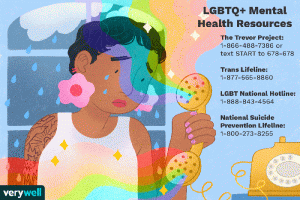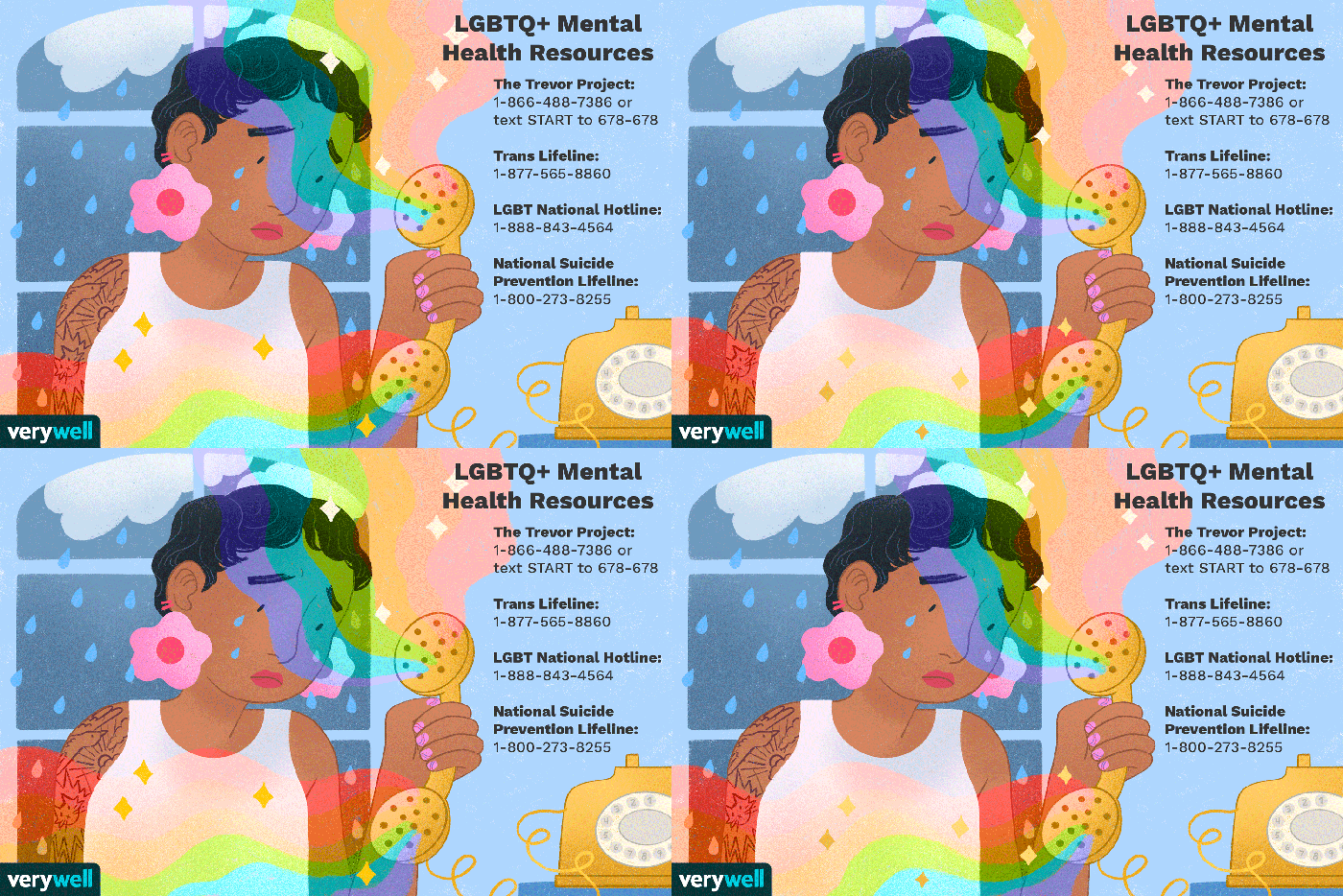
Mental health resources for LGBTQ+ community take the spotlight, offering a comprehensive guide to support and solutions for individuals facing unique challenges in mental well-being. Dive into a world where inclusive healthcare, support groups, alternative treatments, beauty empowerment, and more converge to promote mental wellness and resilience.
Explore the depths of mental health care tailored specifically for the LGBTQ+ community, providing a roadmap to navigate societal stigma, access inclusive healthcare, and find holistic approaches for a healthier mindset. Discover a wealth of resources aimed at enhancing mental well-being and empowering individuals to thrive in their authentic selves.
Overview of Mental Health Resources for LGBTQ+ Community
Mental health resources for the LGBTQ+ community play a crucial role in addressing the unique challenges faced by individuals within this community and promoting overall well-being. These resources provide support, guidance, and access to mental health professionals who are knowledgeable about the specific needs of LGBTQ+ individuals.
The Importance of Mental Health Resources
Mental health resources serve as a lifeline for many LGBTQ+ individuals who may struggle with issues such as discrimination, coming out, or gender identity. These resources offer a safe space for individuals to seek help without fear of judgment and provide tailored support to address their mental health concerns.
Unique Challenges Faced by LGBTQ+ Individuals
LGBTQ+ individuals often face higher rates of mental health issues such as depression, anxiety, and suicide due to factors like societal stigma, discrimination, and lack of acceptance. These challenges can impact their overall well-being and quality of life, making access to mental health resources essential for their health and happiness.
Impact of Societal Stigma
Societal stigma surrounding LGBTQ+ identities can have a detrimental effect on the mental health of individuals within this community. Fear of rejection, harassment, or violence can contribute to feelings of isolation, shame, and low self-esteem. Mental health resources help combat these negative effects by offering support, validation, and resources to cope with the impact of stigma.
Healthcare Access for LGBTQ+ Individuals
Accessing mental healthcare can be especially challenging for LGBTQ+ individuals due to various barriers they face in the healthcare system. These barriers can include discrimination, lack of provider knowledge about LGBTQ+ issues, fear of judgment, and limited access to inclusive services.
Importance of Inclusive Healthcare Practices
Inclusive healthcare practices are crucial for the LGBTQ+ community as they ensure that individuals receive the care they need in a safe and supportive environment. When healthcare providers are knowledgeable about LGBTQ+ issues and create a welcoming space, it can lead to better health outcomes and increased trust between patients and providers.
- Offering gender-affirming care: Healthcare providers who offer gender-affirming care understand the unique needs of transgender and non-binary individuals and provide services that support their gender identity.
- Training on LGBTQ+ health issues: Healthcare organizations that provide training to their staff on LGBTQ+ health issues can ensure that all patients receive respectful and appropriate care.
- Creating inclusive policies: Healthcare facilities that have inclusive policies, such as non-discrimination policies and gender-neutral bathrooms, help create a more welcoming environment for LGBTQ+ individuals.
LGBTQ+ Friendly Healthcare Providers or Organizations
There are healthcare providers and organizations that specifically cater to the LGBTQ+ community, offering inclusive and affirming care. Examples include:
- The Trevor Project: Provides crisis intervention and suicide prevention services for LGBTQ+ youth.
- Fenway Health: A community health center in Boston that specializes in LGBTQ+ healthcare and offers services such as mental health counseling and support groups.
- GLMA: Health Professionals Advancing LGBTQ Equality: An organization that advocates for LGBTQ+ healthcare equality and provides resources for LGBTQ+ inclusive care.
Mental Health Support Groups and Counseling
Support groups and counseling play crucial roles in providing mental health support to LGBTQ+ individuals, offering a safe space for sharing experiences, building connections, and receiving professional guidance.
Benefits of Support Groups for LGBTQ+ Individuals
Support groups provide a sense of community and belonging, reducing feelings of isolation and loneliness often experienced by LGBTQ+ individuals. They offer a supportive environment where individuals can share their struggles, receive empathy, and gain insights from others facing similar challenges.
Additionally, support groups can help in developing coping strategies, enhancing self-esteem, and fostering a sense of empowerment.
Role of Counseling in Addressing Mental Health Issues
Counseling plays a vital role in addressing mental health issues within the LGBTQ+ community by providing individualized therapy tailored to the unique needs and experiences of each person. LGBTQ+-affirmative therapists offer a safe and non-judgmental space for individuals to explore their thoughts and emotions, work through trauma, and develop healthy coping mechanisms.
Counseling also helps in addressing internalized stigma, discrimination, and mental health conditions such as anxiety, depression, and PTSD.
Information about LGBTQ+ Mental Health Support Groups
- Online Support Groups: Platforms like Pride Counseling and LGBTQ+ Therapy Connect offer online support groups facilitated by licensed therapists, providing a convenient and accessible way for individuals to connect and receive support.
- In-Person Support Groups: Local LGBTQ+ community centers, mental health clinics, and organizations often host in-person support groups for LGBTQ+ individuals, creating a safe space for sharing experiences and receiving emotional support.
- Specialized Support Groups: Some support groups focus on specific issues within the LGBTQ+ community, such as transgender support groups, youth groups, or groups for LGBTQ+ individuals with co-occurring substance use disorders.
Alternative Treatment Options for LGBTQ+ Mental Health
When it comes to addressing mental health concerns within the LGBTQ+ community, alternative treatment options can play a significant role in complementing traditional mental health care. These approaches focus on holistic well-being and can provide additional support to individuals facing unique challenges.
Yoga and Meditation
Practicing yoga and meditation can be beneficial for LGBTQ+ individuals in managing stress, anxiety, and depression. These practices promote mindfulness, self-awareness, and relaxation, which can contribute to overall mental well-being.
Art Therapy
Art therapy offers a creative outlet for expressing emotions and processing traumatic experiences. LGBTQ+ individuals can explore their feelings through various art forms, such as painting, drawing, or sculpting, under the guidance of a trained therapist.
Acupuncture
Acupuncture is an ancient Chinese healing technique that involves inserting thin needles into specific points on the body to promote energy flow and balance. LGBTQ+ individuals may find relief from anxiety, depression, and PTSD symptoms through regular acupuncture sessions.
Beauty and Cosmetics’ Influence on LGBTQ+ Mental Health
Beauty standards have long played a significant role in shaping societal norms and expectations, impacting the mental health of LGBTQ+ individuals. The pressure to conform to conventional standards of beauty can lead to feelings of inadequacy, low self-esteem, and body image issues among members of the LGBTQ+ community.
Using Beauty and Cosmetics for Self-Expression and Empowerment
Beauty and cosmetic products can serve as powerful tools for self-expression and empowerment within the LGBTQ+ community. By experimenting with different looks, colors, and styles, individuals can assert their identities and celebrate their uniqueness. Makeup, hair styling, and fashion choices can offer a means of showcasing one’s authentic self and building confidence.
- Experimenting with bold makeup looks or hairstyles that reflect your true identity can be a liberating experience.
- Choosing cosmetics and beauty products that align with your gender identity can help affirm your sense of self and boost self-esteem.
- Participating in beauty communities or online platforms that celebrate diversity and inclusivity can provide support and validation.
Tips for Boosting Self-Confidence and Mental Well-Being
Incorporating beauty and cosmetics into your self-care routine can have a positive impact on your mental well-being. Taking the time to pamper yourself, express your creativity, and enhance your appearance can promote feelings of self-love and confidence.
- Practice self-care rituals that involve skincare, makeup application, or grooming to prioritize your well-being.
- Seek out beauty professionals or makeup artists who are knowledgeable about LGBTQ+ identities and can provide a safe and inclusive environment.
- Explore makeup tutorials, fashion blogs, or beauty resources tailored to the LGBTQ+ community for inspiration and guidance.
Child Health Considerations for LGBTQ+ Families
When it comes to LGBTQ+ families, there are specific mental health considerations that need to be addressed to ensure the well-being of both parents and children.
Mental Health Needs of LGBTQ+ Parents and Their Children
LGBTQ+ parents and their children may face unique challenges that can impact their mental health. It is important to provide support and resources to help them navigate these challenges effectively.
Resources for LGBTQ+ Families
- Therapy and counseling services tailored to LGBTQ+ families
- Support groups for LGBTQ+ parents and their children
- Online forums and communities for sharing experiences and advice
- Educational materials on LGBTQ+ family dynamics and mental health
Creating a Nurturing Environment for LGBTQ+ Children
It is crucial to create a safe and nurturing environment for LGBTQ+ children to support their mental health. This includes fostering open communication, providing positive role models, and celebrating their identities.
Mental Health and Fitness Practices for LGBTQ+ Individuals
Physical fitness plays a crucial role in the mental well-being of LGBTQ+ individuals. Engaging in regular exercise not only helps in improving physical health but also has a positive impact on mental health by reducing stress, anxiety, and depression. It can also boost self-esteem and confidence, which are essential for overall well-being.
LGBTQ+-Friendly Fitness Resources
- Many community centers and gyms offer LGBTQ+ inclusive workout spaces and programs.
- Online platforms like Queerfit and LGBTQ+ fitness apps provide tailored workout routines and support.
- Local LGBTQ+ sports leagues and clubs offer opportunities for social connection and physical activity.
Role of Exercise in Managing Stress, Mental health resources for LGBTQ+ community
Regular exercise has been shown to be an effective stress management tool for LGBTQ+ individuals. Physical activity helps in releasing endorphins, which are natural mood lifters, and can act as a healthy coping mechanism for dealing with stressors in life.
Improving Mental Health in the LGBTQ+ Community
Exercise not only benefits physical health but also contributes to improved mental health outcomes in the LGBTQ+ community. It can help in reducing symptoms of anxiety and depression, promoting better sleep patterns, and enhancing overall quality of life for LGBTQ+ individuals.
LGBTQ+-Inclusive Medicine and Mental Health Care
Creating LGBTQ+-inclusive practices in medicine and mental health care is crucial for providing a safe and supportive environment for individuals within the LGBTQ+ community. These inclusive practices help address the unique mental health needs and challenges faced by LGBTQ+ individuals.
Importance of LGBTQ+-Inclusive Practices
Implementing LGBTQ+-inclusive practices in healthcare settings helps build trust between patients and providers, leading to better health outcomes. By acknowledging and respecting the diverse identities and experiences within the LGBTQ+ community, healthcare providers can offer more tailored and effective mental health care.
Impact of Discrimination on Healthcare Access
Discrimination based on sexual orientation or gender identity can significantly hinder LGBTQ+ individuals’ access to quality healthcare. Fear of discrimination or lack of understanding from healthcare providers may prevent individuals from seeking the mental health support they need, leading to worsened mental health outcomes.
Examples of LGBTQ+-Inclusive Healthcare Providers
- The Trevor Project: A leading national organization providing crisis intervention and suicide prevention services to LGBTQ+ youth, with a focus on mental health support.
- LGBTQ+ Health Centers: Specialized healthcare facilities that prioritize LGBTQ+ inclusivity in all aspects of care, including mental health services.
- Pride Counseling: An online platform offering LGBTQ+-affirming therapy and counseling services for individuals seeking mental health support in a safe and inclusive space.
Health and Nutrition Tips for LGBTQ+ Mental Well-being
Proper nutrition plays a crucial role in maintaining good mental health for LGBTQ+ individuals. A well-balanced diet can positively impact mood, energy levels, and overall well-being. Here are some tips and resources to promote mental well-being through nutrition:
Dietary Recommendations for LGBTQ+ Mental Health
- Include a variety of fruits and vegetables in your diet to ensure you are getting essential vitamins and minerals that support brain health.
- Incorporate omega-3 fatty acids from sources like fish, flaxseeds, and walnuts, which have been linked to improved mental health and mood stabilization.
- Avoid excessive consumption of processed foods, sugary snacks, and caffeine, as they can negatively impact mood and energy levels.
- Stay hydrated by drinking plenty of water throughout the day, as dehydration can contribute to feelings of fatigue and low mood.
- Consider consulting with a nutritionist or dietitian who is knowledgeable about LGBTQ+-specific health concerns for personalized dietary recommendations.
Role of Nutrition in Managing Mental Health Conditions
Nutrition plays a critical role in managing mental health conditions such as depression, anxiety, and stress within the LGBTQ+ community. Eating a balanced diet can help regulate neurotransmitters and hormones that influence mood and emotional well-being.
LGBTQ+-Friendly Nutrition Education and Support
- Seek out LGBTQ+-friendly nutrition resources and support groups that offer guidance on healthy eating habits and meal planning tailored to the community’s unique needs.
- Consider joining online forums or social media groups where LGBTQ+ individuals share recipes, meal ideas, and nutrition tips to support mental well-being.
- Explore LGBTQ+ community centers or organizations that provide workshops and seminars on nutrition and mental health to enhance your knowledge and skills in this area.
LGBTQ+-Focused Reproductive Health Services
Reproductive health plays a crucial role in the overall well-being of LGBTQ+ individuals, encompassing both physical and mental aspects. Access to specialized reproductive health services is vital for ensuring the comprehensive healthcare needs of this community are met.
Intersection of Reproductive Health and Mental Well-being
Reproductive health and mental well-being are interconnected for LGBTQ+ individuals, impacting their overall quality of life. It is essential to address both aspects to ensure holistic care.
Challenges in Accessing Reproductive Healthcare
- Discrimination and stigma in healthcare settings
- Lack of LGBTQ+-inclusive providers
- Financial barriers to accessing specialized care
- Limited knowledge about LGBTQ+ reproductive health needs
Specialized Reproductive Health Services for LGBTQ+
Specialized reproductive health services tailored to LGBTQ+ needs aim to provide inclusive and affirming care. These services may include:
- Comprehensive sexual and reproductive health exams
- Fertility preservation options
- Hormone therapy management
- Support for family planning and adoption
Resources for Addressing Health Addictions in LGBTQ+ Community
Addiction issues can have a significant impact on mental health within the LGBTQ+ community. Due to the challenges and discrimination faced by LGBTQ+ individuals, they may turn to substances or other addictive behaviors as a way to cope with stress, anxiety, or trauma.
Specialized Addiction Treatment Programs for LGBTQ+ Individuals
There are specialized addiction treatment programs designed specifically for LGBTQ+ individuals to address their unique needs. These programs offer a safe and supportive environment where individuals can receive culturally competent care from professionals who understand the specific challenges faced by the LGBTQ+ community.
- Programs that focus on addressing internalized homophobia, transphobia, and other issues related to sexual orientation and gender identity.
- Therapies that incorporate LGBTQ+-affirmative approaches to help individuals feel accepted and understood in their recovery journey.
- Support groups that provide a sense of community and belonging for LGBTQ+ individuals seeking recovery from addiction.
Support Groups or Services for LGBTQ+ Individuals Dealing with Addiction
There are various support groups and services available for LGBTQ+ individuals who are dealing with addiction. These resources offer a sense of community, understanding, and acceptance to help individuals navigate the challenges of recovery in a safe and inclusive space.
- LGBTQ+-focused 12-step programs that provide a supportive environment for individuals to work through their addiction recovery process.
- Counseling services that specialize in addressing addiction issues within the LGBTQ+ community, offering tailored support and guidance.
- Online platforms and forums where LGBTQ+ individuals can connect with others who are facing similar struggles and share their experiences.
Wrap-Up
In conclusion, Mental health resources for LGBTQ+ community encapsulate a journey of empowerment, resilience, and self-care. By embracing inclusive practices, supportive environments, and holistic treatments, individuals can cultivate a stronger mental well-being and lead fulfilling lives. Let these resources be a guiding light in the quest for mental health and overall wellness within the LGBTQ+ community.
FAQ: Mental Health Resources For LGBTQ+ Community
How can LGBTQ+ individuals access LGBTQ+-friendly healthcare providers?
LGBTQ+ individuals can seek LGBTQ+-friendly healthcare providers through online directories, community health centers, or by asking for referrals from LGBTQ+ support groups.
Are there online resources available for LGBTQ+ mental health support groups?
Yes, there are various online platforms and organizations that offer LGBTQ+ mental health support groups, providing a safe space for individuals to connect and share experiences.