Plant-based diets for athletes provide a unique approach to optimizing performance and recovery through nutrition. From essential nutrients to meal planning and success stories, this guide explores the benefits and strategies for athletes looking to thrive on a plant-based diet.
Introduction to Plant-Based Diets for Athletes
A plant-based diet for athletes focuses on consuming whole, minimally processed plant foods such as fruits, vegetables, whole grains, nuts, seeds, and legumes while minimizing or eliminating animal products.
Benefits of Plant-Based Diets for Athletic Performance
Plant-based diets offer several benefits that can enhance athletic performance:
- Rich in antioxidants and phytonutrients which help reduce inflammation and promote faster recovery.
- High in complex carbohydrates to provide sustained energy levels for endurance activities.
- Good source of fiber for digestive health and weight management.
- Lower in saturated fats and cholesterol, which can improve cardiovascular health.
Examples of Plant-Based Foods Suitable for Athletes
Here are some examples of plant-based foods that are excellent choices for athletes:
- Quinoa: A complete protein source with all essential amino acids.
- Sweet potatoes: High in carbohydrates and a great source of vitamins and minerals.
- Chia seeds: Rich in omega-3 fatty acids for reducing inflammation.
- Leafy greens: Packed with iron and calcium for muscle function and bone health.
Comparison with Traditional Athlete Diets
Plant-based diets for athletes are often compared to traditional athlete diets that include animal products like meat, dairy, and eggs. While both diets can meet the nutritional needs of athletes, plant-based diets offer additional benefits in terms of reducing inflammation, improving recovery times, and promoting overall health and longevity.
Nutritional Requirements for Athletes on Plant-Based Diets: Plant-based Diets For Athletes
In order to perform at their best, athletes following plant-based diets need to ensure they are meeting their nutritional requirements. This includes consuming essential nutrients, proteins, carbohydrates, fats, and micronutrients to support their athletic performance and overall health.
Essential Nutrients for Plant-Based Athletes
Plant-based athletes must pay attention to consuming a variety of plant foods to ensure they are getting all the essential nutrients. These include:
- Proteins: Legumes, tofu, tempeh, seitan, nuts, seeds, and whole grains are excellent sources of plant-based proteins that can help athletes meet their protein needs for muscle recovery and growth.
- Carbohydrates: Whole grains, fruits, vegetables, and legumes are rich in carbohydrates, providing athletes with energy for training and competition.
- Fats: Foods like avocados, nuts, seeds, and olive oil can provide plant-based athletes with healthy fats essential for hormone production and overall health.
- Micronutrients: Plant foods are rich in essential vitamins and minerals such as iron, calcium, vitamin D, and B vitamins. Athletes may need to pay special attention to consuming enough of these micronutrients to support their training and recovery needs.
Meal Planning and Recipes for Plant-Based Athletes
Meal planning is essential for athletes following a plant-based diet to ensure they meet their nutritional needs for optimal performance and recovery.
Tips for Meal Planning
- Include a variety of plant-based protein sources such as tofu, tempeh, legumes, quinoa, and nuts to ensure adequate protein intake.
- Incorporate a rainbow of fruits and vegetables to provide a wide range of vitamins, minerals, and antioxidants.
- Plan meals ahead of time to avoid last-minute decisions and ensure balanced nutrition throughout the day.
- Consider consulting with a sports nutritionist to tailor your meal plan to your specific athletic goals and training regimen.
Sample Meal Plans
Here are sample meal plans for different types of athletes:
- Endurance Athlete:
- Breakfast: Overnight oats with almond butter and berries
- Lunch: Quinoa salad with chickpeas, cucumbers, and cherry tomatoes
- Snack: Apple slices with peanut butter
- Dinner: Lentil stew with sweet potatoes and spinach
- Strength Athlete:
- Breakfast: Tofu scramble with spinach and whole grain toast
- Lunch: Black bean and corn tacos with avocado
- Snack: Protein smoothie with banana, almond milk, and protein powder
- Dinner: Baked tempeh with roasted vegetables and quinoa
Plant-Based Recipes for Post-Workout Recovery
- Quinoa and black bean salad with avocado
- Chickpea and vegetable stir-fry with brown rice
- Green smoothie with spinach, banana, and hemp seeds
- Protein-packed tofu scramble with veggies
Importance of Timing and Portion Sizes, Plant-based diets for athletes
Timing your meals around workouts can optimize performance and recovery. Consuming a balanced meal with carbohydrates and protein within 30 minutes to an hour after exercise is crucial for muscle repair and glycogen replenishment.
Performance and Recovery on Plant-Based Diets
Plant-based diets can have a significant impact on athletic performance due to their high nutrient content and ability to reduce inflammation in the body. By providing a wide range of vitamins, minerals, antioxidants, and phytonutrients, plant-based foods can support overall health and energy levels, leading to improved performance during training and competition.
Role of Plant-Based Nutrition in Muscle Recovery and Injury Prevention
Plant-based nutrition plays a crucial role in muscle recovery and injury prevention by providing the necessary nutrients for tissue repair and regeneration. The anti-inflammatory properties of plant foods can help reduce muscle soreness and speed up the recovery process after intense exercise.
Additionally, plant-based diets rich in antioxidants can protect cells from oxidative stress and damage, which is beneficial for overall muscle health and injury prevention.
- Include a variety of plant-based protein sources such as legumes, nuts, seeds, tofu, and tempeh to support muscle recovery and repair.
- Incorporate foods high in vitamin C, such as citrus fruits, bell peppers, and broccoli, to aid in collagen production and tissue healing.
- Consume foods rich in omega-3 fatty acids like chia seeds, flaxseeds, and walnuts to reduce inflammation and promote joint health.
- Stay hydrated and replenish electrolytes with plant-based sources like coconut water, leafy greens, and bananas to support recovery and prevent dehydration-related injuries.
Strategies for Optimizing Recovery through Plant-Based Nutrition
Optimizing recovery through plant-based nutrition involves focusing on nutrient-dense foods that can support muscle repair, reduce inflammation, and replenish energy stores. By following these strategies, athletes can enhance their recovery process and improve their overall performance:
- Consume a balanced mix of carbohydrates, protein, and healthy fats to provide the essential nutrients needed for recovery and energy production.
- Include plant-based sources of iron, such as lentils, spinach, and pumpkin seeds, to support oxygen transport and prevent fatigue.
- Prioritize whole, minimally processed foods to maximize nutrient intake and minimize the intake of added sugars, unhealthy fats, and artificial ingredients.
- Experiment with plant-based recovery meals and snacks, such as smoothies with protein powder, oatmeal with fruit and nuts, or veggie stir-fries with tofu, to find what works best for your body and training schedule.
Plant-Based Supplements for Performance and Recovery
While a well-rounded plant-based diet can provide most of the nutrients needed for athletic performance and recovery, some athletes may benefit from incorporating plant-based supplements to fill in any nutritional gaps. Here are some examples of plant-based supplements that can aid in performance and recovery:
Plant-based protein powders, such as pea protein or hemp protein, can be useful for meeting increased protein needs for muscle repair and growth.
Branched-chain amino acids (BCAAs) derived from plant sources like soy or quinoa can support muscle recovery and reduce exercise-induced muscle damage.
Plant-based creatine supplements, sourced from compounds like guanidinoacetic acid or glycine, can help improve strength, power, and muscle mass in athletes following plant-based diets.
Common Concerns and Misconceptions about Plant-Based Diets for Athletes
Plant-based diets for athletes often face common concerns and misconceptions that need to be addressed to ensure athletes are well-informed about their nutritional choices. It is important to debunk myths and provide evidence-based information to support the effectiveness of plant-based diets for athletic performance.
Protein Deficiency in Plant-Based Diets
One of the most common concerns about plant-based diets for athletes is the misconception that they may lead to protein deficiency. However, it is possible to meet protein requirements through a well-planned plant-based diet that includes a variety of protein-rich sources such as legumes, tofu, tempeh, nuts, seeds, and whole grains.
Athletes can also consider supplementing with plant-based protein powders to ensure they meet their protein needs for muscle recovery and growth.
Importance of Variety and Balance
Another crucial aspect of plant-based athlete diets is the importance of variety and balance. Consuming a diverse range of fruits, vegetables, whole grains, nuts, seeds, and legumes ensures that athletes obtain all essential nutrients, including vitamins, minerals, and antioxidants. A balanced plant-based diet can support overall health, enhance athletic performance, and aid in recovery.
Debunking Misconceptions
- Plant-based diets do not hinder athletic performance. In fact, many athletes have successfully thrived on plant-based diets and achieved remarkable feats in their respective sports.
- Research has shown that plant-based diets can provide all the necessary nutrients for athletes, including carbohydrates for energy, protein for muscle repair, and fats for hormonal balance.
- A well-planned plant-based diet can offer benefits such as improved recovery, reduced inflammation, and enhanced endurance, making it a viable option for athletes looking to optimize their performance.
Evidence-Based Information
It is essential to rely on evidence-based information when considering plant-based diets for athletes. Numerous studies have demonstrated the positive impact of plant-based nutrition on athletic performance, recovery, and overall health. By incorporating a variety of plant foods and ensuring adequate nutrient intake, athletes can thrive on plant-based diets and reach their full potential.
Success Stories of Athletes Thriving on Plant-Based Diets
Plant-based diets have gained popularity among athletes for their ability to improve performance and overall health. Several professional athletes have embraced plant-based nutrition and achieved remarkable success in their careers as a result. Let’s explore some inspiring stories of athletes thriving on plant-based diets.
Carl Lewis
Olympic Champion
Olympic Champion
Carl Lewis, a legendary track and field athlete, adopted a plant-based diet in the mid-1990s. He went on to win multiple Olympic gold medals and set numerous world records. Lewis credited his plant-based diet for improving his endurance, recovery, and overall performance on the track.
Novak Djokovic
Tennis Star
Tennis Star
Novak Djokovic, one of the world’s top tennis players, transitioned to a plant-based diet in 2010. Since then, he has achieved incredible success on the court, winning multiple Grand Slam titles and maintaining his rank as a dominant force in the sport.
Djokovic attributes his plant-based diet to his improved fitness, mental clarity, and ability to recover quickly between matches.
Tia Blanco
Professional Surfer
Professional Surfer
Tia Blanco, a professional surfer and vegan advocate, has been thriving on a plant-based diet for years. She has won multiple national surfing championships and continues to compete at the highest level in the sport. Blanco’s plant-based diet has not only enhanced her athletic performance but also contributed to her overall well-being and sustainability efforts.
Patrik Baboumian
Strongman Champion
Strongman Champion
Patrik Baboumian, a world-renowned strongman competitor, follows a plant-based diet to fuel his intense training and competitions. Despite common misconceptions about plant-based diets and strength sports, Baboumian has broken multiple world records and earned the title of Germany’s Strongest Man.
His success serves as a testament to the effectiveness of plant-based nutrition for athletes across various disciplines.
Serena Williams
Tennis Icon
Tennis Icon
Serena Williams, one of the greatest tennis players of all time, has incorporated plant-based meals into her diet to support her athletic performance and recovery. Williams has won numerous Grand Slam titles and remained at the top of women’s tennis for years, showcasing the benefits of plant-based nutrition for endurance, strength, and longevity in professional sports.
Final Conclusion
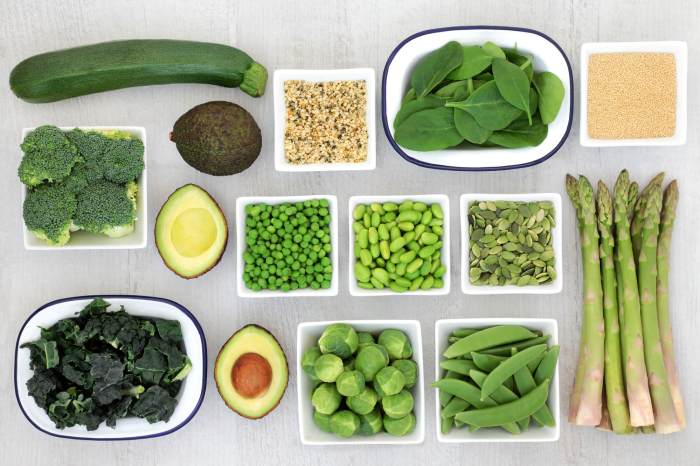
In conclusion, embracing a plant-based diet as an athlete can lead to improved performance, faster recovery, and long-term success. By prioritizing nutrient-dense foods and tailored meal plans, athletes can harness the power of plant-based nutrition to elevate their game.
General Inquiries
Can athletes on plant-based diets meet their protein needs?
Athletes can meet their protein needs through sources like tofu, tempeh, legumes, and quinoa.
Do plant-based diets hinder athletic performance?
Plant-based diets can actually enhance athletic performance when properly balanced and varied.
Are there specific meal plans for endurance athletes on plant-based diets?
Yes, meal plans can be customized for endurance athletes with a focus on complex carbs and adequate protein.