Benefits of omega-3 fatty acids for children are crucial for their growth and well-being. Dive into the world of omega-3 and discover how it can positively impact your child’s health.
Omega-3 fatty acids, found in various sources, play a vital role in supporting children’s brain development, focus, and overall health. Let’s explore the benefits in detail.
Introduction to Omega-3 Fatty Acids
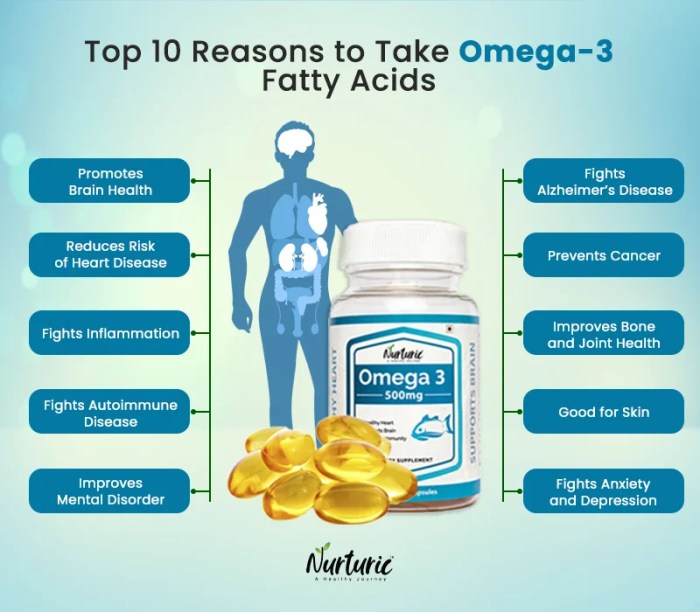
Omega-3 fatty acids are essential polyunsaturated fats that play a crucial role in maintaining overall health. They are considered essential because the body cannot produce them on its own, so they must be obtained through diet or supplementation. These fatty acids are primarily found in fatty fish such as salmon, mackerel, and sardines.
They can also be obtained from plant sources like flaxseeds, chia seeds, and walnuts.
Importance of Omega-3 Fatty Acids for Children’s Health
Omega-3 fatty acids are particularly important for children’s health as they are crucial for brain development and function. DHA, one of the main types of omega-3 fatty acids, is a major structural component of the brain and eyes, making it essential for cognitive function and vision.In addition to brain health, omega-3 fatty acids also have anti-inflammatory properties, which can help reduce symptoms of conditions like asthma and allergies in children.
Different Types of Omega-3 Fatty Acids and Their Sources
There are three main types of omega-3 fatty acids: EPA (eicosapentaenoic acid), DHA (docosahexaenoic acid), and ALA (alpha-linolenic acid). EPA and DHA are primarily found in fatty fish, while ALA is found in plant sources.While EPA and DHA are more easily absorbed and utilized by the body, ALA can be converted into EPA and DHA in small amounts.
Including a variety of food sources rich in omega-3 fatty acids in a child’s diet can help ensure they are getting an adequate intake for optimal health.
Benefits of Omega-3 Fatty Acids for Children
Omega-3 fatty acids offer numerous health benefits for children, supporting their overall well-being and development. These essential fats play a crucial role in various aspects of children’s health.
Brain Development Support
Omega-3 fatty acids, particularly DHA (docosahexaenoic acid), are essential for brain development in children. DHA makes up a significant portion of the brain’s cell membranes, aiding in cognitive function and neural communication. Adequate intake of omega-3s during early childhood can potentially enhance learning abilities and memory retention.
Improved Focus and Attention Span
Studies have suggested that omega-3 fatty acids can help improve children’s focus, attention span, and behavior. DHA, in particular, is linked to better concentration and reduced hyperactivity in children. Incorporating omega-3-rich foods or supplements into a child’s diet may contribute to better cognitive performance and behavior regulation.
Omega-3 Fatty Acids and Child Health
Omega-3 fatty acids play a crucial role in supporting a child’s overall health and well-being. These essential fats are known for their numerous benefits, including boosting the immune system, reducing inflammation, and promoting overall wellness in children.
Supporting a Child’s Immune System, Benefits of omega-3 fatty acids for children
Omega-3 fatty acids are essential for supporting a child’s immune system. They help regulate inflammation and promote the production of anti-inflammatory compounds, which play a vital role in fighting off infections and illnesses. By incorporating omega-3 fatty acids into a child’s diet, parents can help strengthen their immune response and reduce the risk of common childhood illnesses.
Reducing Inflammation in Children
Omega-3 fatty acids have anti-inflammatory properties that can help reduce inflammation in children. Chronic inflammation in the body can lead to various health issues, including asthma, allergies, and autoimmune disorders. By consuming foods rich in omega-3 fatty acids, children can help lower inflammation levels and potentially reduce the risk of developing these conditions.
Contribution to Overall Well-Being in Children
In addition to supporting the immune system and reducing inflammation, omega-3 fatty acids contribute to the overall well-being of children. These essential fats are essential for brain development, cognitive function, and maintaining healthy skin and hair. By including sources of omega-3 fatty acids, such as fatty fish, flaxseeds, and walnuts, in a child’s diet, parents can help promote their child’s overall health and vitality.
Omega-3 Fatty Acids in Child Nutrition
Omega-3 fatty acids play a crucial role in child nutrition, supporting overall growth and development. It is essential to ensure that children receive an adequate intake of these beneficial fats to support their health.
Recommended Intake of Omega-3 Fatty Acids for Children
Children require a sufficient amount of omega-3 fatty acids for optimal growth and development. The recommended intake varies based on age, with younger children needing less than older ones. Generally, experts suggest:
- For children aged 1-3 years: 700 mg of omega-3 fatty acids per day.
- For children aged 4-8 years: 900 mg of omega-3 fatty acids per day.
- For children aged 9-13 years: 1200 mg of omega-3 fatty acids per day.
Risks of Omega-3 Fatty Acid Deficiency in Children
Omega-3 fatty acid deficiency in children can lead to various health issues, including:
- Impaired cognitive development
- Poor eye health and vision
- Behavioral problems
- Weakened immune function
It is crucial to ensure that children receive an adequate intake of omega-3 fatty acids to prevent these risks and support their overall well-being.
Incorporating Omega-3 Rich Foods into a Child’s Diet
There are many delicious ways to incorporate omega-3 rich foods into a child’s diet. Some tips include:
- Include fatty fish such as salmon, mackerel, and sardines in their meals at least twice a week.
- Add flaxseeds, chia seeds, or walnuts to their yogurt, oatmeal, or smoothies for a nutritious boost.
- Use flaxseed or walnut oil in salad dressings or drizzle over cooked vegetables.
- Consider fortified foods like eggs, milk, or bread that contain added omega-3 fatty acids.
Omega-3 Fatty Acids and Mental Health
Omega-3 fatty acids play a crucial role in mental health, especially in children. These essential fats are vital for brain development and function, impacting various aspects of mental well-being.
Reducing Symptoms of ADHD
Research suggests that omega-3 fatty acids, particularly EPA and DHA, may help reduce symptoms of Attention-Deficit/Hyperactivity Disorder (ADHD) in children. These fatty acids have anti-inflammatory properties that can potentially improve cognitive function and behavior in children with ADHD.
- Studies have shown that children with higher levels of omega-3 fatty acids in their diet may exhibit reduced impulsivity and hyperactivity, common symptoms of ADHD.
- The supplementation of omega-3 fatty acids in children with ADHD has been linked to improvements in attention span, focus, and overall behavior.
- Omega-3 fatty acids may also help regulate dopamine and serotonin levels in the brain, which can positively impact mood and concentration in children with ADHD.
Impact on Mood and Behavior
Omega-3 fatty acids have been associated with improvements in children’s mood and behavior, contributing to better overall mental health.
- Research indicates that omega-3 fatty acids may help reduce symptoms of anxiety and depression in children, promoting a more stable and positive mood.
- Children who consume adequate amounts of omega-3 fatty acids through their diet may experience fewer mood swings and emotional disturbances.
- Moreover, omega-3 fatty acids have been linked to better cognitive function, memory retention, and overall brain health, which can positively influence behavior in children.
Alternative Treatment Options with Omega-3 Fatty Acids
Omega-3 fatty acids are increasingly being explored as an alternative treatment for various childhood conditions, showing promising results in managing symptoms and improving overall well-being.
Potential of Omega-3 Fatty Acids in Managing Symptoms of Autism Spectrum Disorder in Children
Omega-3 fatty acids have shown potential in managing symptoms of autism spectrum disorder (ASD) in children. Research suggests that the anti-inflammatory properties of omega-3s may help reduce inflammation in the brain, which is often associated with ASD. Additionally, omega-3s may support cognitive function and behavior in children with ASD.
Incorporating omega-3-rich foods or supplements into the diet of children with ASD may be beneficial in complementing traditional treatments.
Use of Omega-3 Fatty Acids in Complementary Therapies for Children
Omega-3 fatty acids are also used in complementary therapies for children to support overall health and well-being. These essential fatty acids play a crucial role in brain development, cognitive function, and immune system regulation. Adding omega-3 supplements to a child’s diet may help support healthy growth and development, improve concentration and focus, and reduce symptoms of conditions such as ADHD or dyslexia.
Consulting with healthcare providers is recommended to determine the appropriate dosage and form of omega-3 supplementation for optimal benefits.
Final Review: Benefits Of Omega-3 Fatty Acids For Children
In conclusion, incorporating omega-3 fatty acids into your child’s diet can lead to numerous health benefits, from improved cognitive function to better overall well-being. Start reaping the rewards today!
FAQ Section
How much omega-3 fatty acids should children consume daily?
It is recommended that children get at least 250-500 mg of combined EPA and DHA omega-3 fatty acids per day for optimal health.
Can omega-3 fatty acids help with children’s behavioral issues?
Omega-3 fatty acids have been shown to improve behavior, attention, and focus in children, making them beneficial for addressing certain behavioral issues.
Are there any risks associated with giving omega-3 supplements to children?
While omega-3 supplements are generally safe, it’s essential to consult with a healthcare provider before giving them to children to avoid any potential risks or interactions with medications.